This is the third article in the 2026 HR Trend series. The first article covered the redesign of HR’s operating model, and the second covered AI accountability lines. This article focuses on performance management. In SHRM’s 2026 trends, AI coaching and People Analytics signal that annual-review-centered performance management is losing relevance.
This does not mean performance evaluation disappears. Rather, it means goal setting, feedback, capability development, and managerial judgment must be connected more frequently. AI coaching should be seen not as a technology that replaces evaluators, but as an operating mechanism that changes the rhythm of performance management.
Annual reviews are under pressure not because of the review cycle itself, but because work has accelerated
SHRM’s 2026 HR Trends explains that AI remains a central HR agenda item in 2026 and that organizations must connect it to real business impact while considering both cost and risk. In the same flow, SHRM’s 2026 trend commentary addresses the view that AI coaches may accelerate the end of annual performance reviews.
The important point here is not the slogan of “abolishing annual reviews.” It is that the speed of work has increased, roles change frequently, and required skills change in short cycles. Managing employee growth and organizational performance at the same time is difficult with a method that checks goals and assigns ratings only once a year.
AI coaching increases the frequency of feedback rather than replacing evaluators
SHRM explains AI use in connection with cost reduction, productivity improvement, and better workforce decisions. Applied to performance management, this perspective clarifies the role of AI coaching. AI is not a mechanism that makes final evaluations on behalf of managers, but a supporting mechanism that drafts feedback, increases the frequency of conversations, and connects goals with behavior.
For example, managers can use AI to summarize recent project records and organize an employee’s strengths and areas for improvement. But humans must decide what feedback to actually deliver, whether to leave a performance issue as a formal record, and whether to connect it to compensation or promotion decisions. If AI replaces evaluation, accountability becomes blurred; if AI helps prepare feedback, it can improve the quality of managerial conversations.
The starting point for redesigning performance management is connecting goals, feedback, and development
SHRM’s 2026 Talent Trends summary includes a sample of more than 2,000 HR professional respondents and addresses hiring difficulties and skill shortages together. According to the public summary, 41% of HR professionals train existing employees for hard-to-fill roles, and 42% experienced difficulty retaining full-time employees in the past 12 months.
These figures show that performance management is not only a matter of evaluation and rewards. If it is hard to find the needed talent externally and also hard to retain existing employees, performance management must be more strongly connected to internal capability development. When goals change, required skills change as well, and feedback must extend to how those skills will be developed.
The manager’s role does not shrink; it becomes clearer
Some view the spread of AI coaching as reducing the manager’s role. In reality, the opposite is closer to the truth. As AI provides more data and wording, managers must explain more clearly what they used as the basis for their judgment.
In performance management, managers should have three responsibilities. First, they must check whether feedback suggested by AI fits the actual work context. Second, they must distinguish messages to deliver to employees from content to leave as formal records. Third, they must judge whether goal adjustments or development plans connect to organizational priorities. AI can help, but it cannot take over these responsibilities.
Korean companies should change the operating rhythm before the evaluation system
In Korean companies, performance-management reform often begins with discussions of rating scales, relative evaluation, and the proportion reflected in compensation. But the 2026 change asks about operating rhythm before policy wording. When are goals reviewed, how often does feedback happen, and is the development plan connected to the next work assignment? These questions become more important.
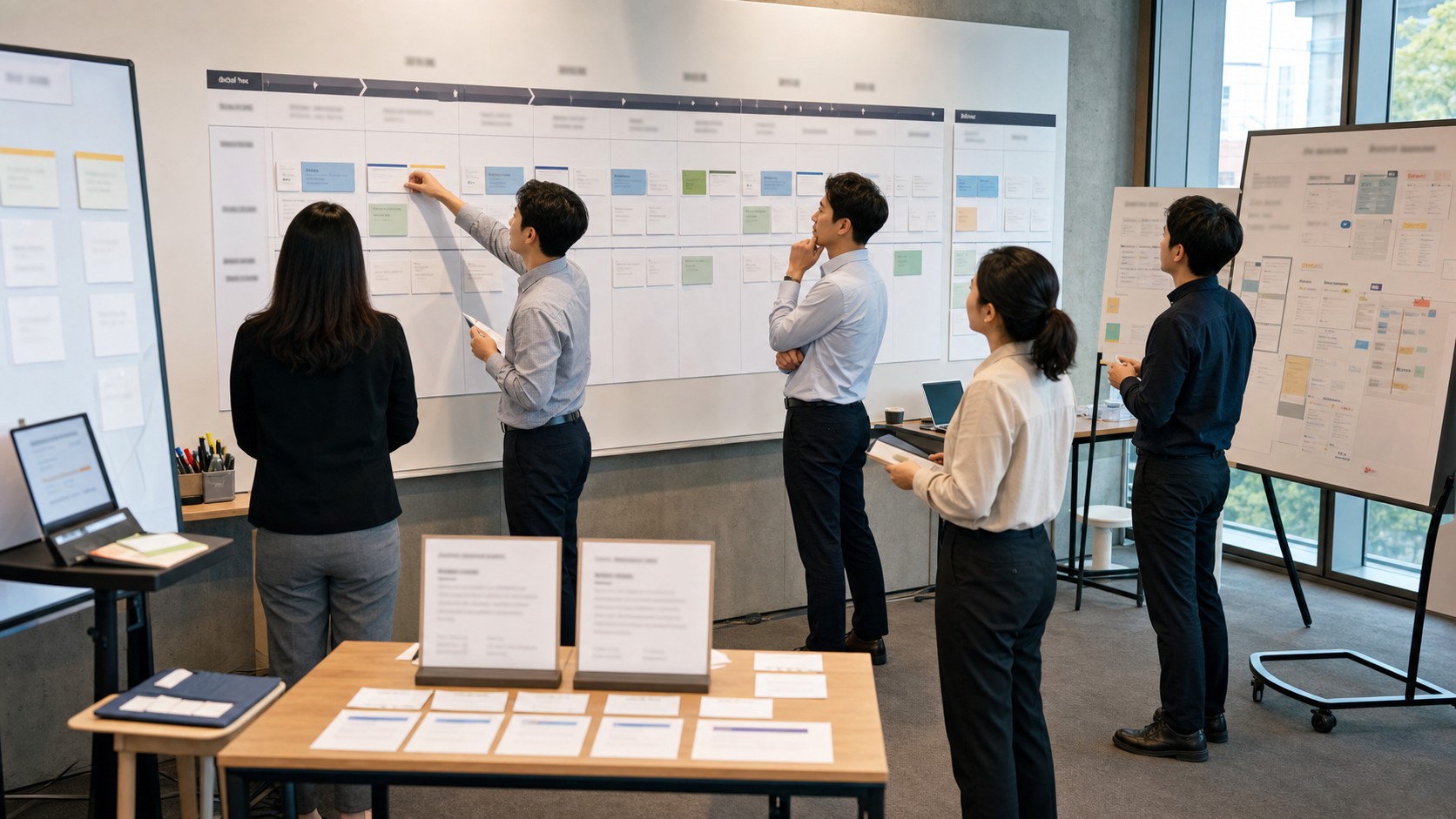
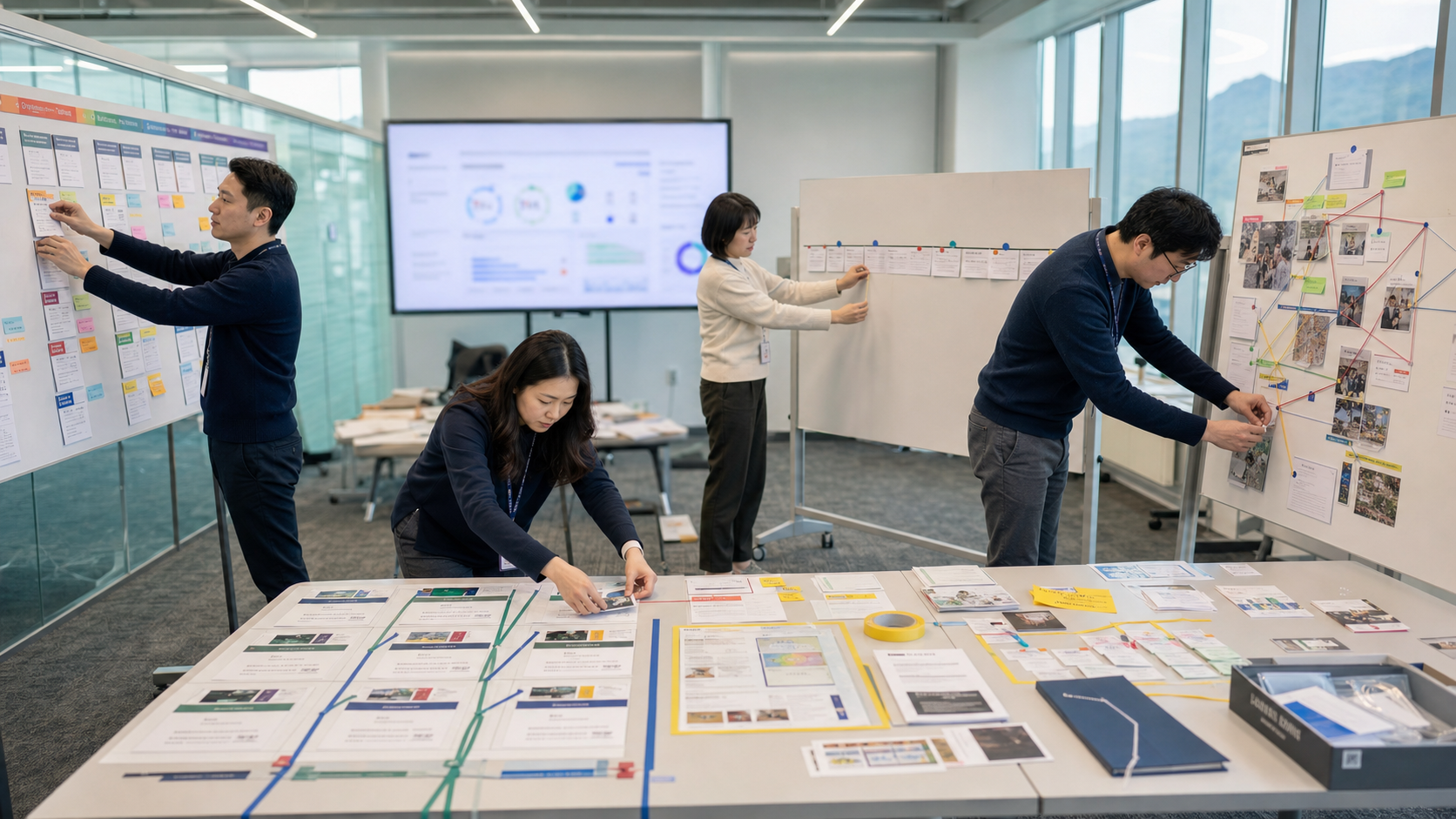
HR’s first task is not to choose an AI coaching tool but to map the flow of performance management. HR must identify where goal setting, interim check-ins, feedback, capability development, and reward decisions are disconnected. Only then should it decide where AI can help.
The core of performance management in 2026 is not “let’s evaluate more often.” It is to identify more quickly what employees are doing well now, what they must learn for the next performance outcome, and what conversation managers need to have. AI coaching is most useful when it is a tool that helps prepare that conversation.
Read the HR Trend series together
This article is part of the 2026 HR Trend series. Reading AI adoption, accountability lines, performance management, recruiting, upskilling, mixed workforces, Polywork, and employee experience together provides a more three-dimensional view of changes in the HR operating model.
- ① What Must Change Before AI Is HR’s Operating Model
- ② More Important Than AI Adoption Rate: Designing HR’s AI Accountability Lines
- ③ The End of Annual Reviews: Redesigning Performance Management in the Age of AI Coaching (current article)
- ④ Skill Criteria to Change Before Recruiting Automation
- ⑤ Real-Time Upskilling: HRD Must Design the Flow of Work
- ⑥ The Limits of Full-Time-Centered HR and Mixed Workforce Operations
- ⑦ The Spread of Polywork and Side Jobs: Redesigning Rewards and Engagement Strategy
- ⑧ Burnout and Employee Experience: The Psychological Contract HR Must Rewrite
What HR should look at next
The point is not to add one more policy. The work ahead is to turn this issue into a clear operating standard for the organization.
A practical starting question is enough: which decision will this change actually alter — hiring, performance management, learning, or rewards? The clearer that answer becomes, the closer HR work moves from reports to real standards used in the field.
References
This article was written based on SHRM’s 2026 HR Trends, 2026 Talent Trends, and 2026 HR trend commentary. Only figures and wording verifiable in public materials were used as evidence in the body, and nonpublic content from member-only detailed reports was not cited.