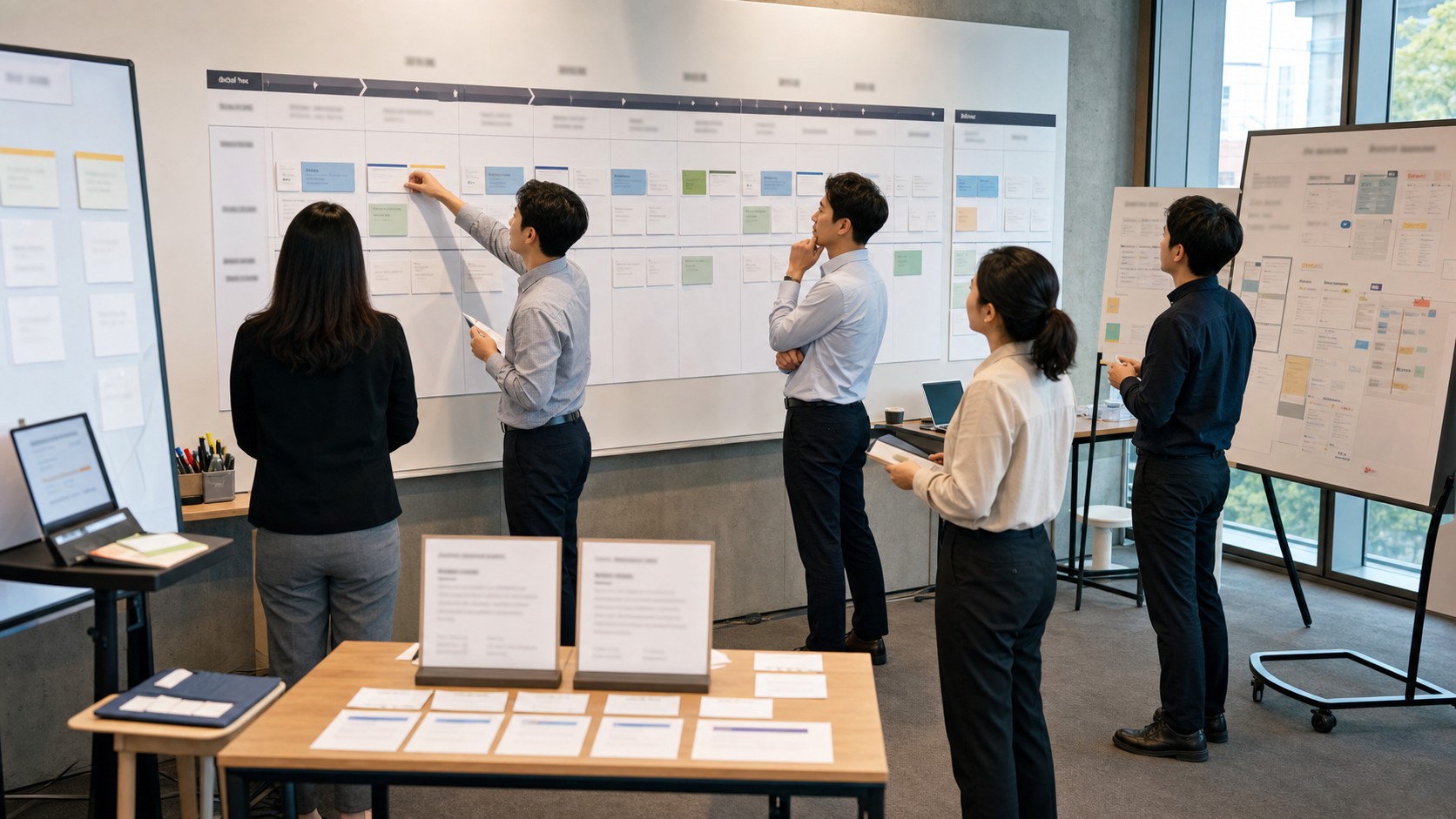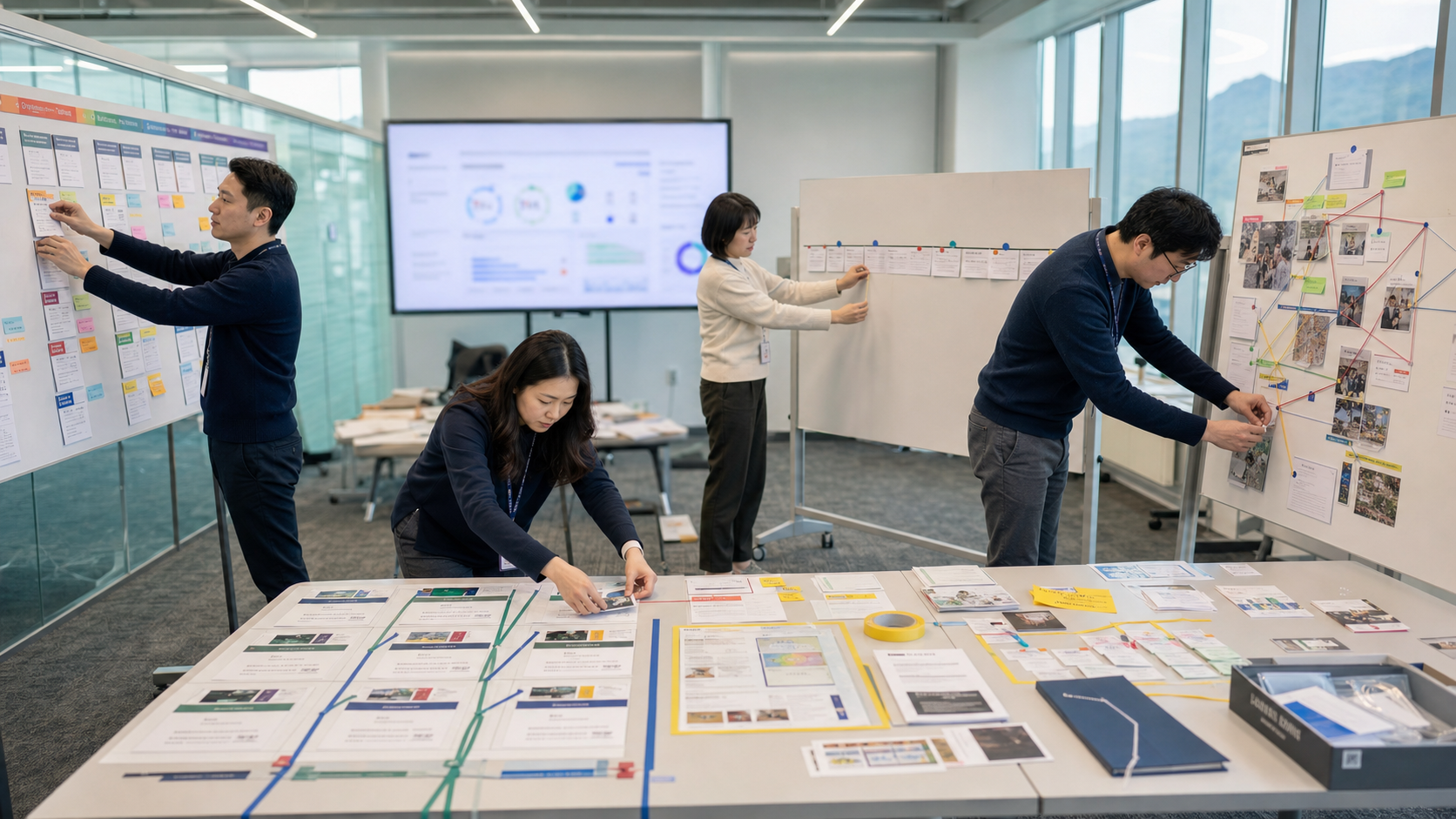
This is the sixth article in the 2026 HR Trend series. If the fifth article covered upskilling that develops internal talent in real time, this article addresses an operating model that includes talent outside the organization. The workforce structure of 2026 is difficult to explain with full-time employees alone.
Freelancers, gig workers, external experts, independent contractors, and project-based partners work together, and AI tools are added to the mix. HR’s question moves from ‘Whom should we hire?’ to ‘Which roles should be handled through which employment arrangements and accountability structures?’
Full-time-centered workforce planning alone cannot explain 2026
SHRM 2026 HR Trends states that 72% of CEOs expect increased use of independent contractors, gig workers, and freelancers in 2026. At the same time, the SHRM 2026 Talent Trends summary addresses hiring difficulties and retention challenges based on a sample of more than 2,000 HR professional respondents.
If full-time hiring is difficult and the use of external talent is increasing, the unit of workforce planning must also change. Previously, planning centered on departmental headcount, levels, roles, and labor costs. Now, core roles, external expertise, project duration, data access rights, and performance accountability must be designed together.
A hybrid workforce is not outsourcing, but a change in the operating model
The workforce fragmentation trend presented by SHRM is different from a simple expansion of outsourcing. The 2026 shift toward greater use of independent contractors, gig workers, and freelancers means organizations do not secure needed capabilities through a single employment contract alone.
So, hybrid workforce operations cannot be seen only as a matter of procurement departments or business units using external talent when needed. It is an operating model issue that determines who handles the organization’s core knowledge, who contacts customers, who prepares decision-making materials, and who is accountable for performance and quality.
When AI and external talent are combined, accountability lines become more complex
SHRM states that 89% of CEOs expect AI to redefine how organizations create and capture value in 2026. When AI is combined with external workforce operations, accountability lines become more complex. When an external expert uses AI tools to create outputs for internal decision-making, organizations must decide who holds final responsibility.
For example, if an external consultant creates a People Analytics report, AI helps summarize data, and a business leader decides workforce deployment based on the results, accountability is divided across multiple layers. HR must clarify the contract scope, data access rights, output reviewer, and final approver.
HR must differentiate onboarding and performance criteria by employment form
The SHRM 2026 Talent Trends summary explains that about 70% of HR professionals struggle with full-time hiring, and 42% experienced difficulty retaining full-time employees during the past 12 months. In this situation, using external talent becomes not a temporary stopgap but part of the workforce portfolio.
However, all workers cannot be managed with the same onboarding and performance management criteria. For full-time employees, organizational culture, long-term growth, and internal mobility must be considered. For freelancers and external experts, project scope, deliverable standards, and security and data access criteria matter more. For AI tools, purpose of use, review responsibility, and recordkeeping standards are needed.
Korean companies should first map their workforce portfolio
When Korean companies prepare for hybrid workforce operations, the first task is not deciding whether to increase or reduce the use of external talent. It is to map what workforce combinations are currently performing the organization’s work. They must identify which work involves full-time employees, contract employees, dispatched or outsourced workers, freelancers, external experts, and AI tools.
Next, risk levels should be divided by role. Roles that access customer information, HR information, core technology, or strategic decisions require higher standards. Conversely, roles centered on short-term deliverables need clear scope and quality criteria. HR must organize these criteria together with business units, legal, security, and procurement.
The task for HR in 2026 is not a simple choice between reducing full-time employees and increasing external talent. It is to decide how to keep core roles inside, where to use external capabilities, and which judgments AI tools should support. Hybrid workforce operations are not a cost-cutting strategy, but an organization design strategy.
Read the HR Trend series together
This article is part of the 2026 HR Trend series. Reading across AI adoption, accountability lines, performance management, recruiting, upskilling, hybrid workforce models, Polywork, and employee experience gives a more three-dimensional view of how the HR operating model is changing.
- ① What must change before AI is the way HR operates
- ② More important than AI adoption rates: designing HR’s AI accountability lines
- ③ The end of annual reviews: redesigning performance management in the age of AI coaching
- ④ The skills criteria that must change before recruiting automation
- ⑤ Real-time upskilling: HRD must design the flow of work
- ⑥ The limits of full-time-employee-centered HR and hybrid workforce operations (current article)
- ⑦ Polywork and the spread of side jobs: redesigning rewards and engagement strategy
- ⑧ Burnout and employee experience: the psychological contract HR must rewrite
What HR should look at next
The point is not to add one more policy. The work ahead is to turn this issue into a clear operating standard for the organization.
A practical starting question is enough: which decision will this change actually alter — hiring, performance management, learning, or rewards? The clearer that answer becomes, the closer HR work moves from reports to real standards used in the field.
References
This article was written based on SHRM’s 2026 HR Trends, 2026 Talent Trends, and 2026 HR trend commentary. Only figures and wording available in public materials were used as evidence in the body, and non-public content from member-only detailed reports was not cited.