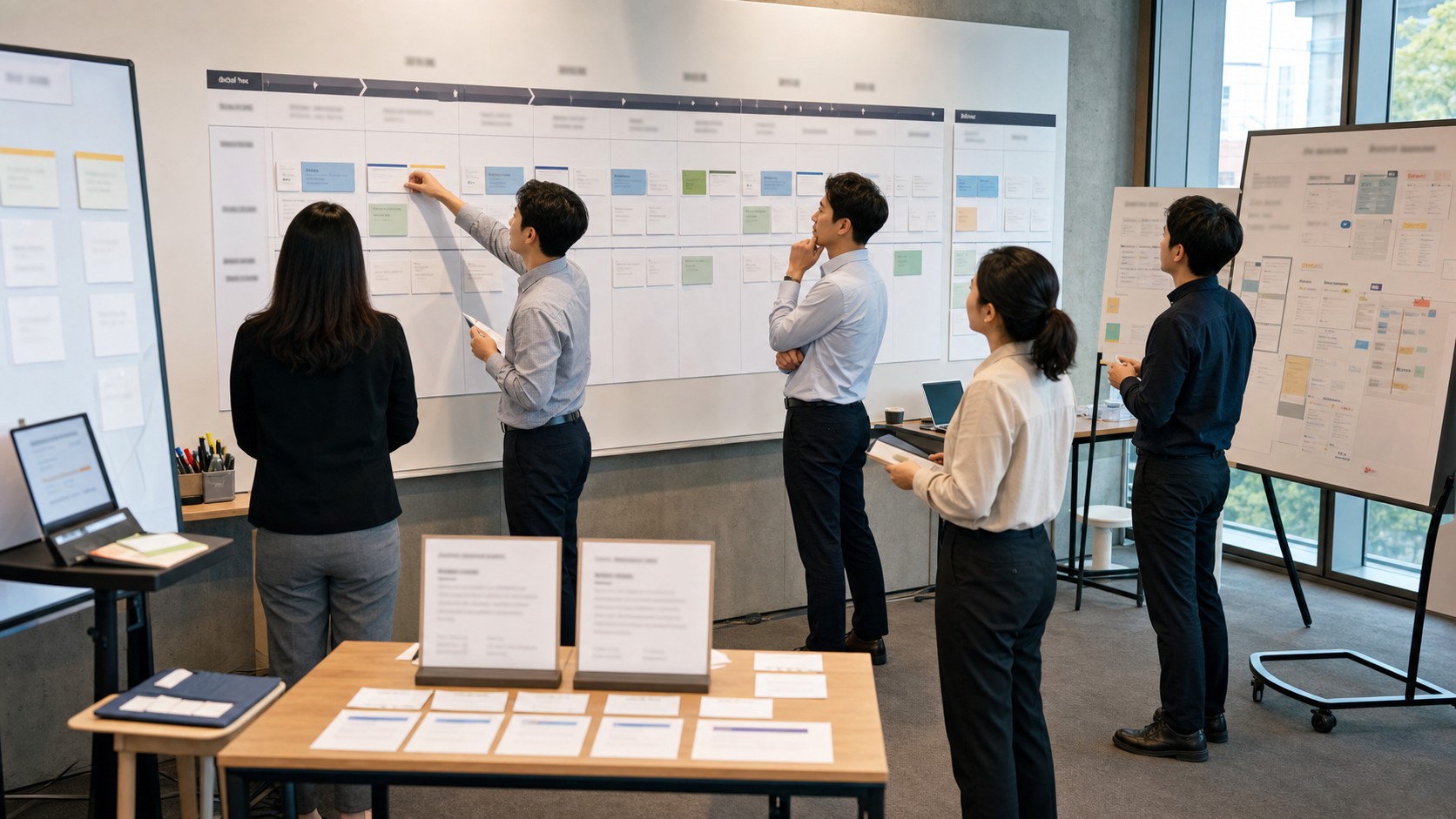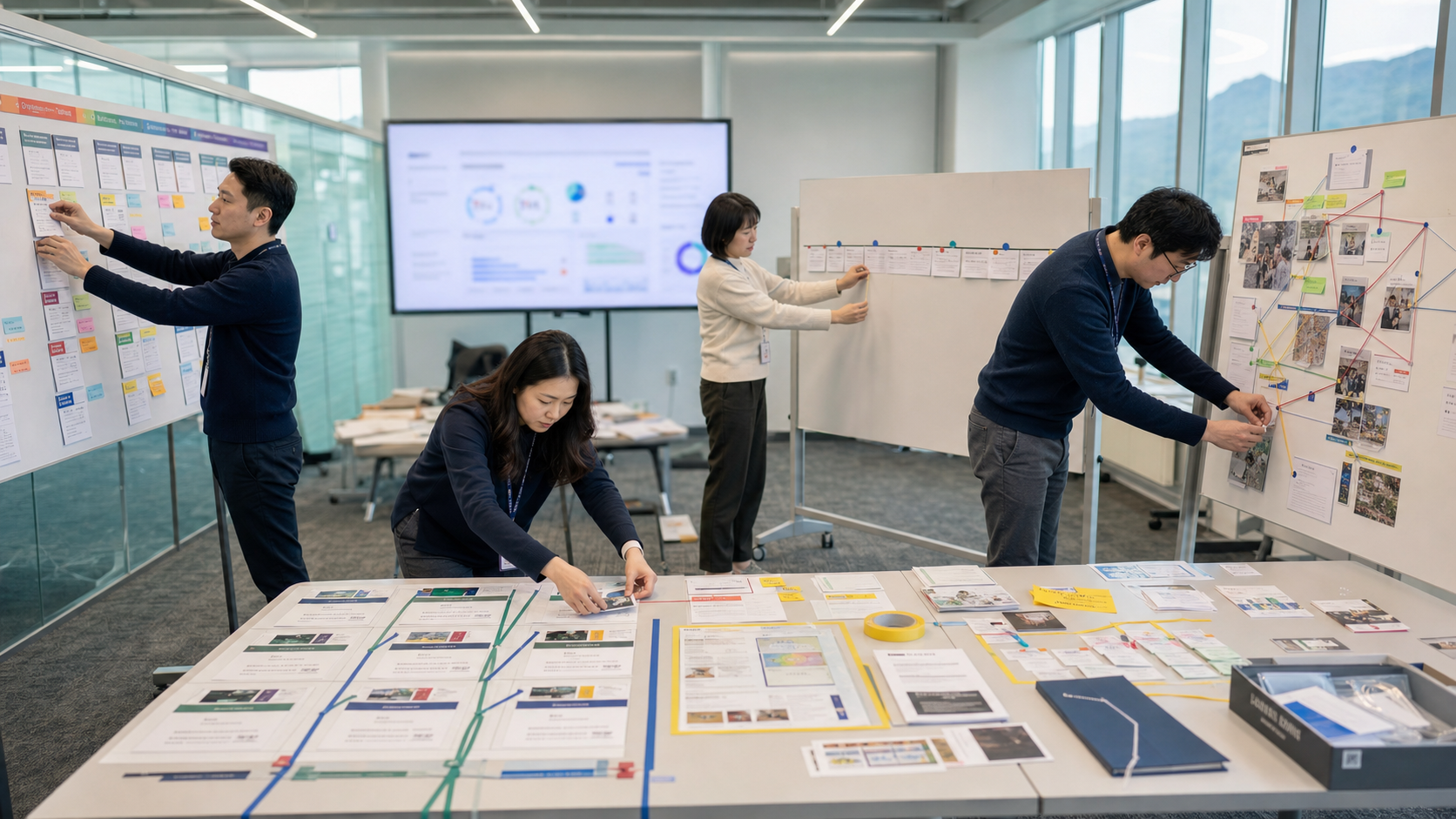
This is the seventh article in the 2026 HR Trend series. If the sixth article examined the limits of full-time-employee-centered HR, this article looks at how individual employees’ ways of working are changing. Polywork, side work, and side projects are no longer exceptions limited to a few occupations.
The issue cannot be reduced to “whether to allow or prohibit side jobs.” In an era when employees have multiple income streams and multiple roles, organizations must design rewards competitiveness, engagement, conflicts of interest, information security, and performance criteria together.
Side work is not personal misconduct; it is a rewards signal
SHRM 2026 HR Trends presents the trend “Employees Work Harder, Smarter… and Collect Two Pay Checks.” The phrase shows that, on the 2026 HR agenda, employees are being asked to achieve higher productivity while also seeking additional income sources. The fact that SHRM addresses both the productivity effects and the costs and risks of AI on the same trends page also suggests that this shift is not only an individual choice but an organizational operating issue.
Employees take side jobs for many reasons. Cost-of-living pressure, an uncertain employment environment, a lack of growth opportunities, and the desire to test their expertise in the market are all intertwined. When viewed together with SHRM’s 2026 State of the Workplace summary, which covers employee expectations and organizational issues based on data from more than 1,800 HR professionals and more than 2,000 workers and states that 72% of HR professionals recognize rising employee expectations of employers, side jobs should be read as signals about rewards, growth, and employee experience. If HR treats all of this only as problematic behavior, it misses the cause. Conversely, if it leaves the issue unmanaged without any standards, the risks of lower performance, conflicts of interest, and information leakage may grow.
In the polywork era, the key questions are engagement and conflicts of interest
The Workforce Fragmentation trend in SHRM 2026 HR Trends shows a shift in which work outside the organization and work inside the organization are becoming more loosely connected. The figure that 72% of CEOs expect increased use of independent contractors, gig workers, and freelancers in 2026 suggests that the external labor market is moving more deeply into organizational operations.
This trend also affects full-time employees. Inside the company, an employee is a member of the organization; outside the company, the same person may be a freelancer, creator, instructor, adviser, or online seller. HR’s core question is not “Does the employee have a side job?” but “Does that activity conflict with the performance of the primary job, the company’s interests, or customer information?”
Total Rewards becomes the design of choices, not a salary table
SHRM’s 2026 State of the Workplace summary addresses employee expectations and organizational issues based on data from more than 1,800 HR professionals and more than 2,000 workers. The 72% of HR professionals in SHRM’s public summary who recognize rising employee expectations shows that rewards cannot be explained by wage levels alone.
Total Rewards in the polywork era is not limited to a bundle of base pay, incentives, and benefits. Flexible work, growth opportunities, financial well-being, recognition, career mobility, and psychological safety work together. If employees are seeking additional income and opportunities outside the company, HR must examine not only the salary table but the total value employees gain inside the organization.
As AI lowers the barrier to side jobs, policies must change as well
SHRM states that 89% of CEOs expect AI to redefine how organizations create and capture value in 2026. AI raises productivity in the primary job while also lowering the barrier to side jobs. Content creation, data analysis, document drafting, training-material development, and online sales operations can be started with less time and cost than before.
So, existing concurrent-employment policies must be reviewed. External activities during working hours, the use of company devices and accounts, the use of company data, transactions with competitors or clients, and paid activities similar to one’s company role each require different standards. Even if outputs are produced with AI, risks grow when company materials or customer information are mixed in.
Korean companies should define judgment criteria before prohibition clauses
The easiest approach for Korean companies dealing with side jobs and polywork is to strengthen prohibition clauses. But as the trends in SHRM 2026 HR Trends show, employees’ external activities and multiple income streams are moving in a broader direction. A simple ban makes actual behavior difficult to understand and may instead increase hidden risks.
HR must define at least four judgment criteria. First, does the activity infringe on primary-job performance and working time? Second, is it connected to the company’s trade secrets, personal information, or customer information? Third, is there a conflict of interest with competitors, clients, or partners? Fourth, does it affect the company’s reputation and job ethics? These criteria should be operated together with work rules, security policies, performance management, and manager training.
Ultimately, the spread of polywork and side jobs is not a simple story about weaker employee loyalty. It means an era has arrived in which the rewards and growth opportunities an organization provides to employees are compared with other choices in the market. HR should not see side jobs only as a hidden problem; it should read them as a signal to revisit rewards strategy and engagement strategy.
Read the HR Trend series together
This article is part of the 2026 HR Trend series. Reading AI adoption, accountability lines, performance management, hiring, upskilling, hybrid workforces, polywork, and employee experience together provides a more three-dimensional view of changes in the HR operating model.
- ① What Must Change Before AI Is HR’s Operating Model
- ② More Important Than AI Adoption Rates: Designing HR’s AI Accountability Lines
- ③ The End of Annual Reviews: Redesigning Performance Management for the AI Coaching Era
- ④ Skill Criteria to Change Before Hiring Automation
- ⑤ Real-Time Upskilling: HRD Must Design the Flow of Work
- ⑥ The Limits of Full-Time-Centered HR and Hybrid Workforce Operations
- ⑦ Polywork and the Spread of Side Jobs: Redesigning Rewards and Engagement Strategy (current article)
- ⑧ Burnout and Employee Experience: The Psychological Contract HR Must Rewrite
What HR should look at next
The point is not to add one more policy. The work ahead is to turn this issue into a clear operating standard for the organization.
A practical starting question is enough: which decision will this change actually alter — hiring, performance management, learning, or rewards? The clearer that answer becomes, the closer HR work moves from reports to real standards used in the field.
References
This article was written based on SHRM’s public materials for 2026 HR Trends and the 2026 State of the Workplace. The body connects SHRM 2026 HR Trends’ “Employees Work Harder, Smarter… and Collect Two Pay Checks,” Workforce Fragmentation, and AI-related trends, and uses the survey scope of more than 1,800 HR professionals and more than 2,000 workers in SHRM’s 2026 State of the Workplace summary as the basis for interpreting employee expectations and Total Rewards. Judgments about side jobs, concurrent employment, discipline, and conflicts of interest may vary by national law and each company’s work rules, so this article should be read not as legal advice but as operating criteria from an HR perspective.