Key Takeaways
In 2026, upskilling and reskilling are no longer just names for training courses. They are operational agendas HR must bring back to the table in order to address workforce strategy, AI adoption, productivity, and job redesign together.
AIHR’s 2026 HR priorities summarize this shift with the phrase “move from headcount to skill count.” Deloitte likewise argues that the ability to orchestrate people, skills, data, and technology in real time is becoming central to organizational competitiveness. CompTIA reports that 83% of organizations see addressing skills-related concerns as a high priority, while 62% expect AI training budgets to increase over the next year.
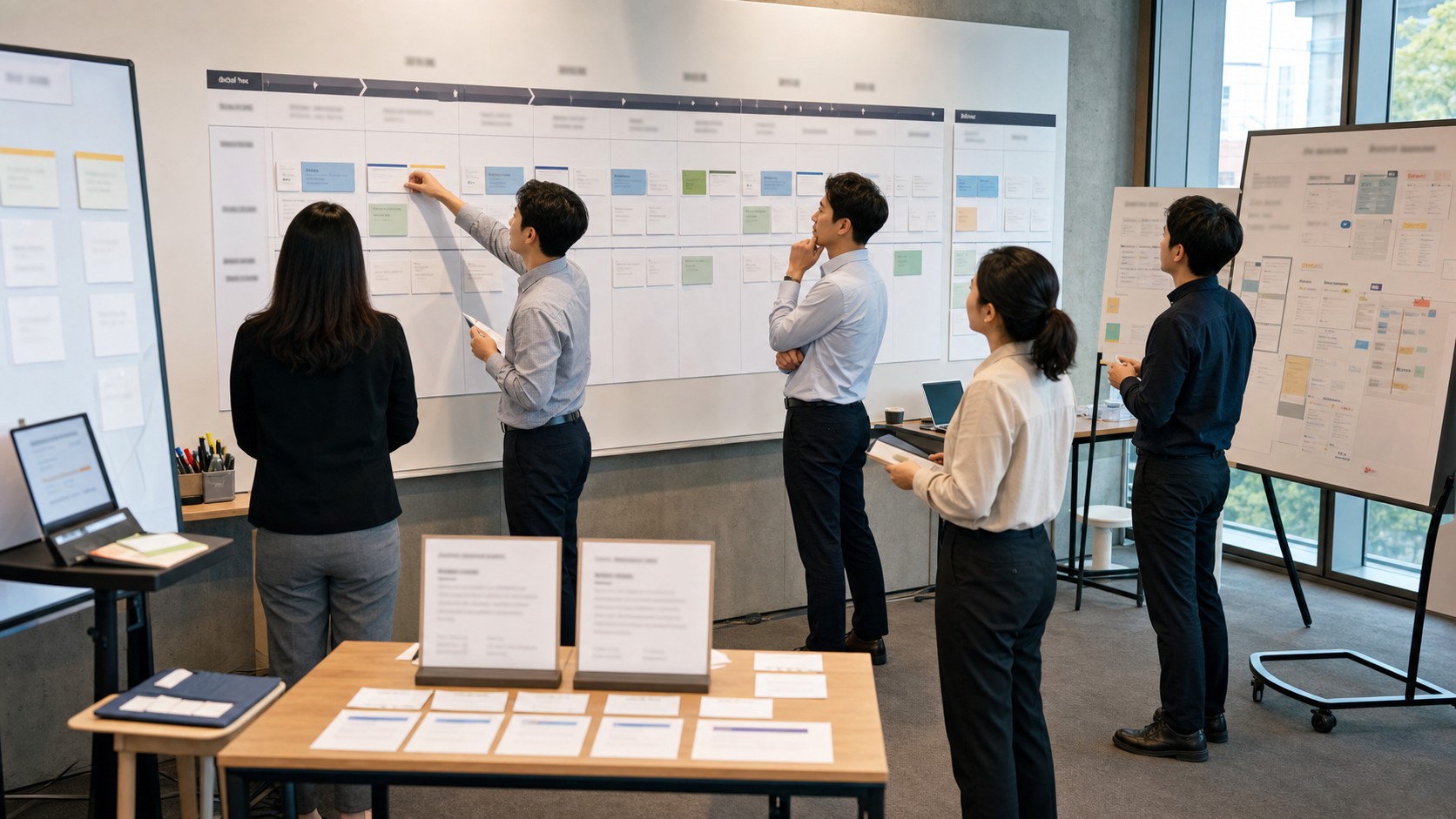
That means HRD’s starting point must also change. Instead of asking, “What training should we open this year?” HR needs to ask first: “Which work is changing, which skills must now be validated, and who can move into which roles?”
Capability Transformation, Not Training Courses, Has Become the Agenda
In the past, upskilling was closer to supplementary training that helped employees perform their existing jobs better. Reskilling was also treated as an exceptional program for some employees who needed restructuring or job transitions. The situation in 2026 is different.
AI adoption is not eliminating entire jobs all at once so much as redistributing units of work. Areas where human judgment and tool-based automation overlap are rapidly expanding: report writing, data organization, customer response, content production, recruitment screening, and learning design. What is needed in these contexts is not simply tool usage, but a new capability to decide what judgment humans should retain in changed workflows, what supporting role AI should play, and how results should be verified.
TalentLMS describes this as “learning debt.” When work changes faster than learning and development, invisible skills debt accumulates inside the organization. Employees are too busy to learn, managers cannot make time for learning because immediate performance is urgent, and HRD manages completion rates but cannot track actual work transformation. As this gap widens, organizations end up offering more training without achieving capability transformation.
AI Is Redistributing Work More Than Eliminating Jobs
The biggest reason upskilling and reskilling have become important again is that the interpretation of AI is changing. It is hard to build an HRD strategy with only the simple claim that “AI will replace jobs.” In real organizations, replacement, augmentation, role change, and the creation of new roles appear at the same time.
SHRM’s 2026 AI in HR research shows this relatively clearly. Among HR professionals in organizations where AI has been deployed, 57% reported frequent upskilling or reskilling opportunities as a result of AI adoption, 39% reported changes in job responsibilities, and 24% reported the creation of new roles. By contrast, 7% mentioned some job displacement.
These numbers show where HR should focus. The issue is not fear, but redesign. However, because survey populations, samples, and industry composition differ by report, these findings should be read alongside internal job data rather than transferred directly to Korean companies. HR needs to judge which work is being automated, which work is expanding with AI, and which employees can move into new roles. Reskilling should become a mechanism for redeploying people around changing work, not a refuge for disappearing jobs.
HRD’s Question Is Moving From “What Should We Teach?” to “Which Work Should We Change?”
Deloitte’s 2026 human capital trends argue that static jobs and organizational structures alone cannot keep pace with change. Organizations that connect people, skills, data, and technology in real time and reconfigure capabilities around work outcomes will have an advantage.
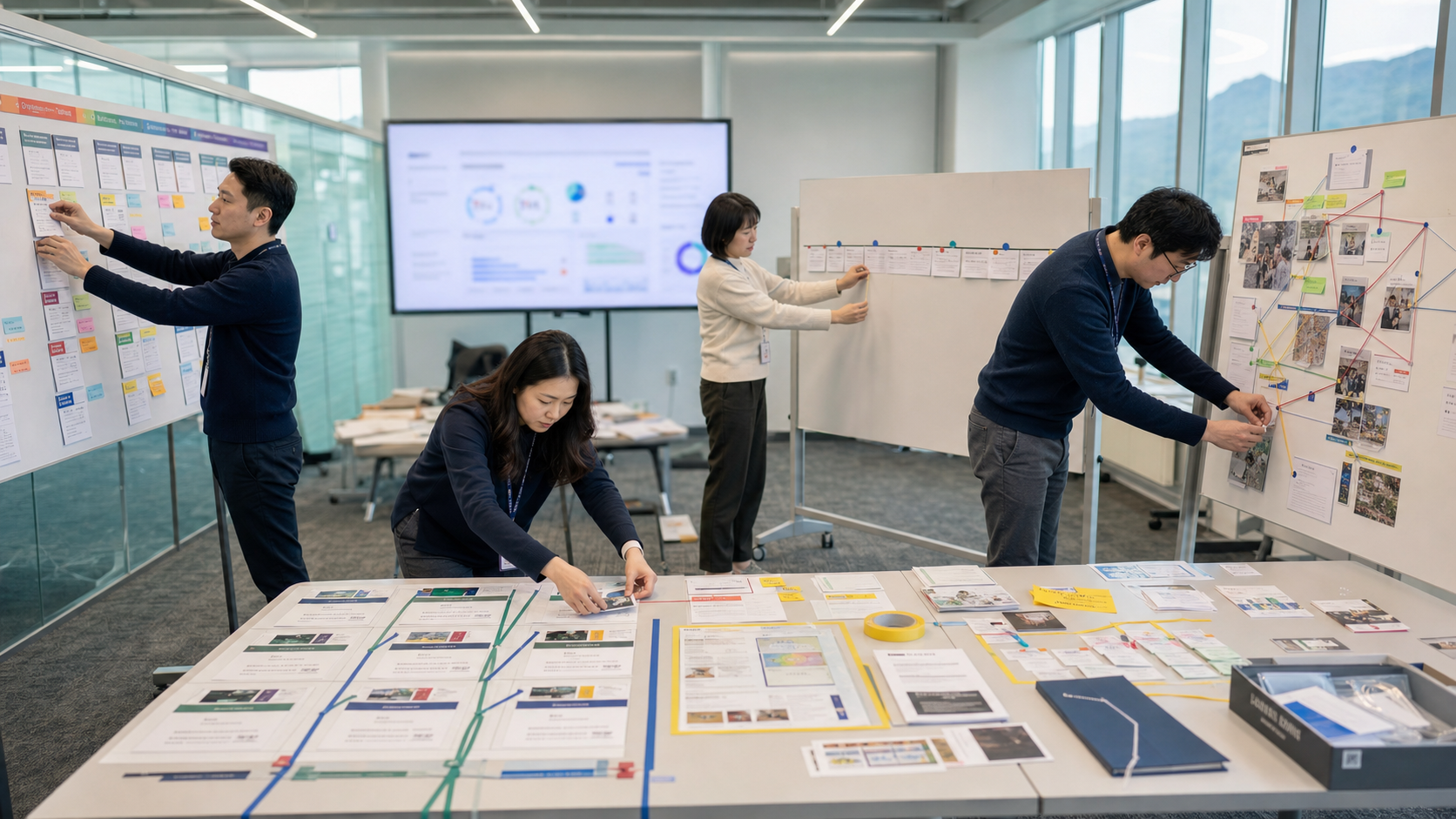
From this perspective, HRD must become a designer of skills transformation, not merely a training provider. Even when running generative AI training, for example, the effect will be limited if the program stops at teaching prompt-writing techniques. Recruiters need the capability to review candidate evaluation criteria and check bias. Salespeople need the capability to interpret customer data and validate proposals. Even when the training theme is the same, different job-level work changes require different learning paths and performance indicators.
CompTIA also argues that AI is not the only cause of skills gaps. Eighty percent of HR professionals and IT leaders said that technology factors beyond AI also create skills gaps. This means HRD in 2026 should not try to solve every problem with a single AI training program. It needs to consider digital tools, data use, collaboration methods, job-specific expertise, and certification and validation systems together.
Practical Application for Companies: A 2026 Upskilling and Reskilling Design Checklist
First, diagnose work change before surveying training needs. The question is not “What training is needed?” but “Which work has been automated, augmented, reduced, or expanded in the past year?”
Second, separate upskilling from reskilling. Upskilling is learning that improves performance in a current role. Reskilling is learning that enables movement into another role or job. The target population, budget, duration, and performance indicators cannot be the same.
Third, connect AI training to job-specific work scenarios. A common lecture for all employees is not enough for real application. Job-specific use cases, validation standards, risk management, and manager coaching must be designed together.
Fourth, reduce reliance on completion-rate metrics. Metrics such as internal mobility, assignment to new work, project results, manager evaluations, skill validation, and employee career movement are also needed.
Fifth, HRD should not do this alone. As AIHR argues, HR must act as a co-leader of AI transformation. But execution is only possible when HRD, HRBPs, business leaders, IT, and data teams design it together.
What HR Should Watch Next
The core of upskilling and reskilling in 2026 is not opening more training programs. It is seeing the changing structure of work, defining the skills required, and connecting learning to actual role transitions and performance.
The next article will cover how to distinguish upskilling from reskilling. Without a clear distinction between the two concepts, training budgets, participant selection, and performance measurement all become blurred. Organizations building 2026 HRD plans need to start by resetting this distinction.